
Your guest list includes someone who doesn’t drink. Maybe they’re in recovery, sober curious, pregnant, taking medication, or simply prefer not to drink. As a host, you want everyone to feel comfortable and included—but you’re not sure how to navigate the alcohol question without making things awkward.
Good hosting has always meant accommodating different needs: dietary restrictions, allergies, mobility considerations. Not drinking is simply another preference to accommodate thoughtfully. With a little planning, you can throw a party where drinkers and non-drinkers alike have a great time without anyone feeling singled out or left out.
Why Inclusive Hosting Matters
More People Don’t Drink Than You Think
Nearly 30% of American adults don’t drink alcohol at all. Add in those who drink rarely, are taking a break, or are moderating their consumption, and you’re looking at a significant portion of any guest list. The assumption that everyone drinks—or wants to—is increasingly outdated. Inclusive hosting isn’t niche; it’s responding to reality.
Recovery Is More Common Than You Realize
Millions of Americans are in recovery from alcohol use disorder. Many don’t advertise it—they simply decline drinks without explanation. A party that centers heavily on alcohol can feel unwelcoming or even threatening to someone working hard to maintain sobriety. Thoughtful hosting creates space for these guests without requiring them to out themselves.
Good Hosts Anticipate Needs
The best hosts make guests feel welcome without drawing attention to their differences. Just as you’d accommodate a vegetarian without announcing “here’s the special food for Sarah who doesn’t eat meat,” you can accommodate non-drinkers without fanfare. Seamless inclusion is the hallmark of gracious hospitality.
Setting Up Your Drink Station
Integrate Non-Alcoholic Options
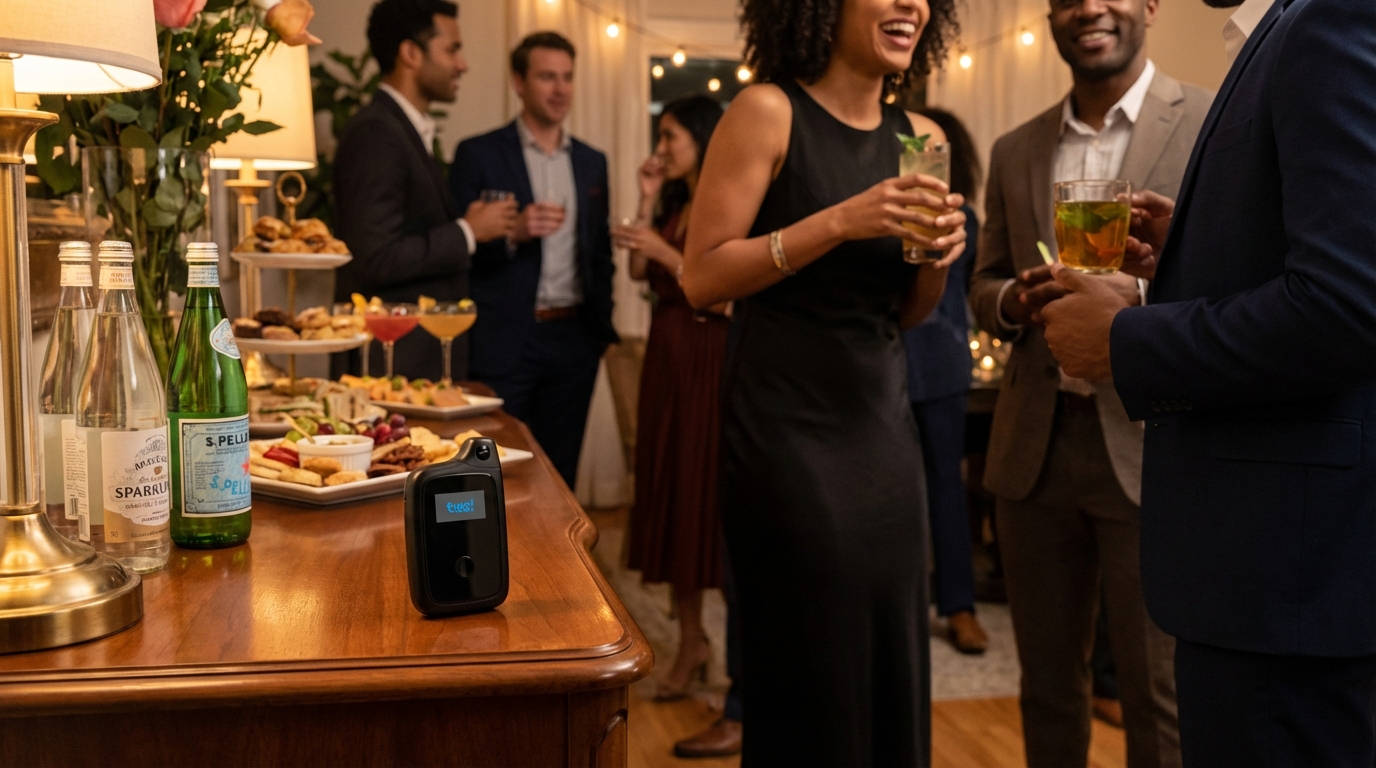
Don’t create a separate “sad table” of non-alcoholic drinks off to the side. Integrate NA options into your main drink display. Place sparkling water next to wine, NA beer alongside regular beer, and mocktail ingredients near cocktail supplies. This integration normalizes not drinking and prevents non-drinkers from feeling segregated or conspicuous.
Elevate Beyond Soda
Offering only Coke and Sprite signals that non-drinkers are an afterthought. Stock interesting alternatives: quality sparkling waters, ginger beer, fancy lemonade, interesting sodas, or ready-to-drink mocktails. The goal is options that feel celebratory and special, not the same things available at any gas station. Non-drinkers deserve drinks worth getting excited about.
Consider a Signature Mocktail
If you’re serving a signature cocktail, create a mocktail version. This lets non-drinkers participate in the same ritual as everyone else—getting the “special drink” of the party. Serve them in the same glassware so the drinks look identical. Many cocktails adapt easily: virgin mojitos, alcohol-free spritzes, or creative combinations that match your party’s theme.
Label Clearly But Casually
Small signs identifying drinks help guests navigate options without asking. Keep the tone casual: “Sparkling Rosé” next to “Sparkling Elderflower” treats both as equally valid choices. Avoid labels like “Alcohol-Free Zone” that draw extra attention to the distinction. Clear, neutral labeling lets everyone self-serve confidently.
What to Stock for Non-Drinking Guests
The Essentials
At minimum, have sparkling water (plain and flavored), a premium still water option, quality tonic or ginger beer, and fresh citrus for garnishing. These basics enable non-drinkers to make themselves something that looks and feels like a proper drink. Add ice in an accessible location and appropriate glassware—not just plastic cups.
Elevated Options
For more thoughtful hosting, consider NA beer (at least two styles), NA wine or sparkling grape juice, a quality shrub or drinking vinegar, interesting botanical beverages, and ingredients for mocktails. Pre-batched mocktails in a pitcher offer convenience while looking festive. These options show you put real thought into the non-drinking experience.
Hot Options
Don’t forget non-alcoholic hot drinks for cooler weather or evening events. Quality coffee, a selection of teas, hot apple cider, or hot chocolate provide warming alternatives that feel festive. For holiday parties especially, a crock pot of spiced cider offers an inclusive option everyone can enjoy.
Managing Social Dynamics
Don’t Make It a Thing
The worst thing you can do is draw excessive attention to someone’s not drinking. Avoid announcing “I got this special stuff for you since you don’t drink!” in front of other guests. Don’t ask probing questions about why they’re not drinking. Simply have options available and let them help themselves without commentary. Treat it as completely normal because it is.
Watch the Pressure
Set the tone for your other guests by modeling acceptance. If someone else pressures a non-drinker (“Come on, just one!”), gently redirect: “They’re good—have you tried these appetizers?” Don’t let your party become a place where anyone feels pressured to drink. This protection is especially important for guests in recovery, even if you don’t know their situation.
Don’t Overcompensate
Checking in repeatedly—”Are you sure you’re okay? Do you need anything else? Is it weird being around alcohol?”—can feel as uncomfortable as being ignored. One casual check-in early (“Let me show you where all the drinks are, including some great NA stuff”) is sufficient. After that, trust your guest to take care of themselves.
Let Activities Shine
Parties centered entirely on drinking create awkwardness for non-drinkers. Games, activities, good food, music, and conversation give everyone something to do besides drink. The best parties aren’t about alcohol anyway—they’re about bringing people together. Make sure your party offers engagement beyond just standing around with drinks.
Specific Hosting Situations
Dinner Parties
For sit-down dinners, offer non-alcoholic wine or a mocktail that complements the meal rather than just water. Pour it at the table alongside wine so non-drinking guests don’t sit with empty glasses during toasts. If you’re doing wine pairings, prepare NA pairings as well—sparkling water with appetizers, grape juice or NA wine with mains, herbal tea with dessert.
Holiday Gatherings
Holidays often involve toasts and celebrations tied to alcohol. Have sparkling cider or NA champagne for midnight toasts so everyone can participate. For eggnog season, make a non-alcoholic batch alongside the spiked version. Holiday punches can easily have an NA twin served in matching bowls. These parallel offerings ensure no one misses traditional moments.
Outdoor Events and BBQs
Summer parties where beer coolers dominate need NA alternatives that feel equally casual and refreshing. NA beers work perfectly here—they look identical to regular beer and satisfy the same hot-weather craving. Stock your cooler with NA options interspersed among regular beers so guests can grab either without announcement.
Cocktail Parties
When cocktails are the focus, ensure your bar setup includes mocktail options using the same quality ingredients. Fresh juices, quality mixers, interesting bitters (some are alcohol-free), and creative garnishes enable sophisticated NA drinks. Consider printing a small menu that includes mocktails alongside cocktails, signaling equal status.
When You Know Someone Is in Recovery
Ask Privately About Preferences
If you know a guest is in recovery, a private conversation beforehand shows care: “I’m having a party and want to make sure you’ll be comfortable. Would it help if I had specific things available? Is there anything I should know?” Let them guide the conversation. Some people appreciate this; others prefer no special treatment.
Respect Their Boundaries
Someone in recovery may prefer events without alcohol entirely, may be comfortable around moderate drinking but not heavy drinking, or may be completely fine in any situation. Don’t assume—let them tell you their boundaries. Some may choose not to attend certain events, and that’s okay. Offer the invitation and let them decide.
Don’t Out Them
Never reveal someone’s recovery status to other guests. Saying “I got this special stuff because Mike is in AA” violates their privacy and puts them in an uncomfortable position. If you’ve made accommodations, there’s no need to explain why. Good hosting accommodates everyone’s needs without broadcasting the reasons.
The Bottom Line
Inclusive hosting is simple: provide options, integrate them naturally, and don’t make a big deal about anyone’s choices. Stock interesting non-alcoholic drinks alongside alcoholic ones. Create activities that don’t center on drinking. Treat not drinking as the completely normal choice it is.
The goal is a party where everyone feels welcome and has a great time regardless of what’s in their glass. That’s not just good hosting for non-drinkers—it’s good hosting, period.
|
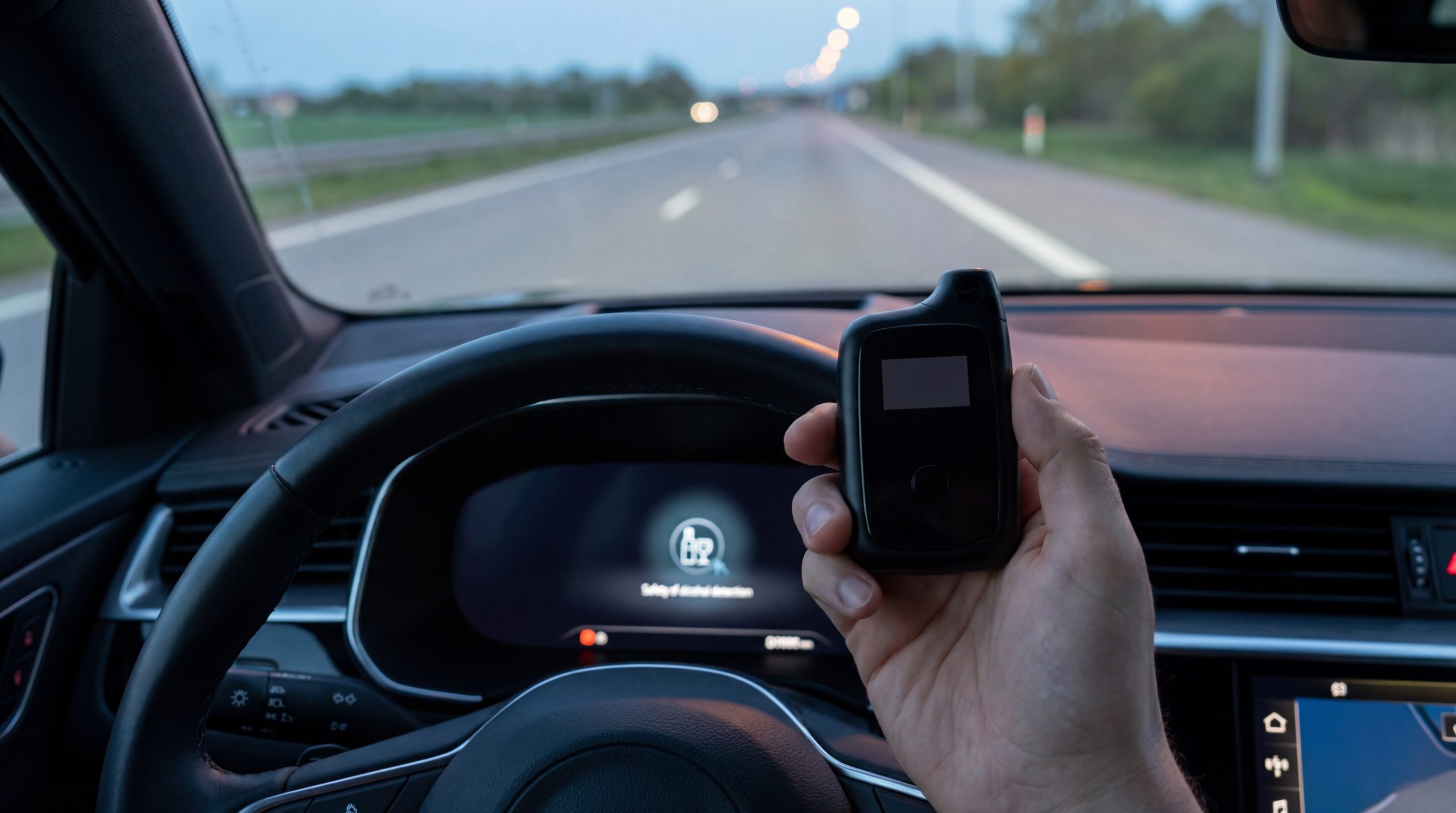
Helping Guests Get Home Safely Part of good hosting is making sure guests who do drink get home safely. The Tuul Breeze is a professional-grade portable breathalyzer that lets guests check their BAC before deciding to drive. Keep one at your party as a responsible hosting tool. |
Frequently Asked Questions
Should I ask guests in advance if they drink?
It’s not necessary to survey everyone—just have options available. If you know specific guests don’t drink, you might check in privately about preferences. But generally, stocking good NA options by default means you’re prepared for anyone without needing to ask potentially awkward questions.
How much should I spend on non-alcoholic options?
Invest proportionally. If you’re serving nice wine and craft cocktails, spring for quality NA alternatives rather than bottom-shelf soda. The goal is parity—non-drinking guests should feel their options are equally valued. That said, you don’t need to stock a full NA bar; a few thoughtful choices suffice.
What if someone asks why another guest isn’t drinking?
Deflect casually: “I don’t know—you’d have to ask them” or “Not everyone drinks” said without elaboration. Don’t offer explanations on someone else’s behalf, even well-intentioned ones. The non-drinker can share whatever they want to share; it’s not your information to convey.
Is it rude to serve alcohol if someone in recovery is coming?
Not inherently—most people in recovery navigate a world full of alcohol regularly. However, check with them if you have a close relationship. Some prefer dry events; others are completely comfortable around drinking. Events that center heavily on drinking (wine tastings, bar crawls) may warrant a heads-up so they can decide whether to attend.
What’s the easiest mocktail to make for a crowd?
A simple sparkling punch works well: combine sparkling water, fruit juice (pomegranate, cranberry, or citrus), a splash of something tart (lime juice or shrub), and fresh fruit garnishes. Make it in a pitcher or punch bowl. It looks festive, tastes great, and requires minimal effort. Serve in the same glassware as your alcoholic punch for visual parity.